

Roofing King
Expert Roofing Tips & Insights to Protect Your Home
RECENT ARTICLES
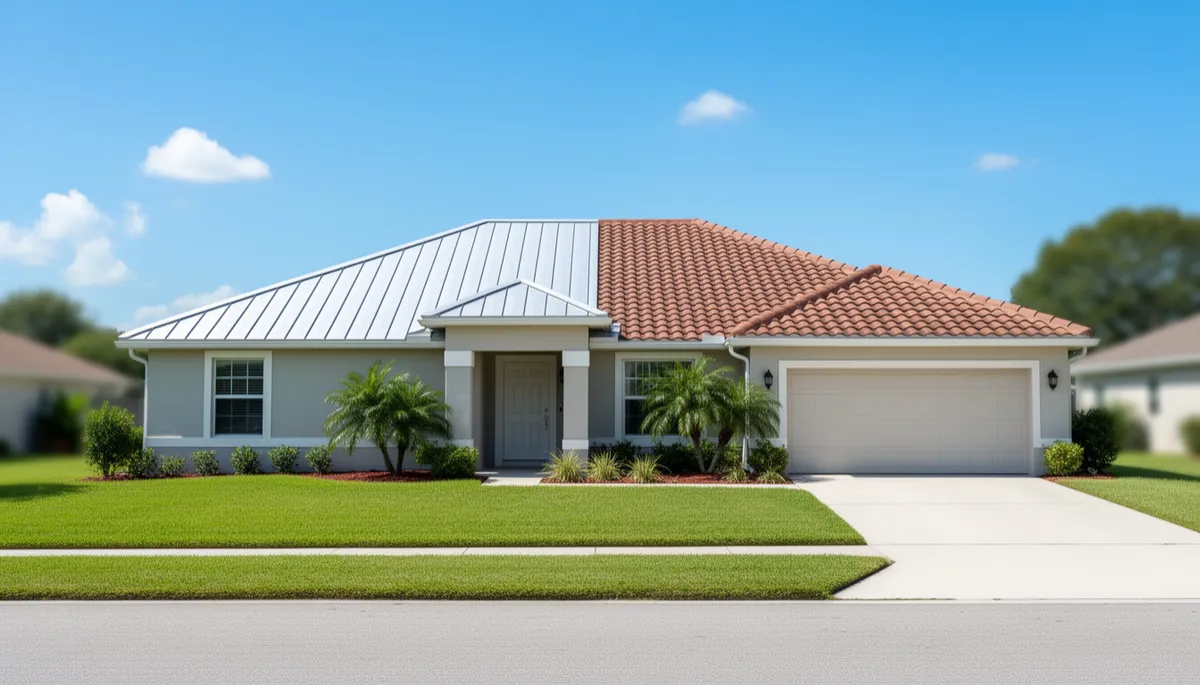
Metal vs. Tile Roofing: Which Is Right for Your Lakeland Home?
If you’re considering a new roof for your Lakeland home, two popular choices often come up: metal roofing and tile roofing. Each option brings its own strengths and considerations, and the right choice depends on your home’s needs, local climate, and your personal preferences. Let’s walk through the key questions homeowners often ask when weighing metal versus tile roofing.
How Do Metal and Tile Roofs Handle Lakeland’s Weather?
Lakeland’s weather can be tough on roofs, from hot sun to heavy rains and the occasional hurricane threat. Metal roofing is known for its ability to shed water quickly, resist wind uplift, and reflect heat—a real advantage during Florida’s long summers. The panels interlock tightly, which helps keep water out and stands up well to gusty winds.
Tile roofing, often made from concrete or clay, is also strong in harsh weather. Tiles are heavy and can resist strong winds when properly installed. Tile doesn’t absorb as much heat as you might expect; instead, it allows air to circulate under the tiles, which can help keep your attic cooler. However, individual tiles can crack if struck by debris during storms, and repairs may be needed.
Which Roofing Option Lasts Longer?
Both metal and tile roofs are considered long-lasting compared to standard asphalt shingles. Metal roofs, whether standing seam or corrugated panels, are built to resist rust and corrosion with proper coatings. You can expect a properly installed metal roof to last for decades with minimal upkeep.
Tile roofs, especially clay tiles, also have a reputation for longevity. Tiles themselves can last a very long time, but the underlayment—the waterproof layer beneath—may need replacement sooner. It’s worth noting that while the tiles may endure, the roof’s performance depends on that underlayment staying intact.
What About Appearance and Style?
Both metal and tile roofing offer a wide range of looks to complement different home styles. Metal roofs come in many colors and profiles, from traditional standing seam to metal shingles that mimic slate or wood shakes. They can suit both modern and classic homes.
Tile roofing is a classic choice for Mediterranean, Spanish, and some ranch-style homes. The curved, textured look of tile adds character and curb appeal. Tiles are usually available in earth tones, reds, and terracotta colors, but concrete tiles can be colored to suit other palettes.
Is One Type Easier to Maintain Than the Other?
Metal roofs are generally low maintenance. Occasional rinsing to remove debris and a quick inspection for loose fasteners or scratches is usually all that’s needed. Metal doesn’t crack or warp, and insects aren’t an issue.
Tile roofs require a bit more attention. It’s important to keep tiles free of moss and debris, and to replace any broken tiles promptly. Walking on a tile roof can crack tiles, so inspections and repairs are best left to pros with the right equipment. The underlayment beneath the tile may need periodic replacement as well.
How Do Costs Compare Over Time?
Upfront, both metal and tile roofing typically cost more than basic shingle roofs, but they pay off in longevity and low maintenance. Metal roofing often has a lower installation cost than tile, mainly because it’s lighter and easier to handle. Tile, being heavier, may need additional structural support, which can add to installation costs.
Over time, both options can save money on repairs and replacements. Tile roofs may need more frequent spot repairs, while metal roofs usually require less attention. Consider energy savings too: both metal and tile can help reduce cooling costs, but metal reflects more sunlight, which can be an edge in the Lakeland heat.
Will My Home’s Structure Support the Roof I Want?
Tile roofing is much heavier than metal roofing. Not all homes were built to support the weight of tile, especially older homes. Before deciding on tile, it’s important to have a professional check your roof structure. Reinforcement may be possible, but adds to the project cost and timeline.
Metal roofing is lightweight and usually doesn’t require extra support. This makes it suitable for most homes, including those where adding weight could be a concern.
Frequently Asked Questions
Can metal roofing be installed over my existing shingles?
In many cases, yes. Metal roofing is lightweight and can often be installed directly over a shingle roof, provided the decking is in good condition. This can save on tear-off costs and reduce installation time, but the roof should be inspected first to be sure it’s suitable.
Do tile and metal roofs affect home insurance rates?
Some insurers offer discounts for impact-resistant roofs, which can include certain types of metal and tile roofing. Because both materials are durable and fire-resistant, they may qualify for lower premiums, but policies vary. It’s a good idea to check with your provider.
How do metal and tile roofs impact home resale value?
Both metal and tile are seen as premium roofing materials and can boost a home’s curb appeal and resale value. Buyers often appreciate the durability and lower maintenance compared to standard shingles, making your home more attractive if you decide to sell.
What maintenance should I plan for each roof type?
Plan on occasional cleaning and inspections for both. For metal roofs, look for loose fasteners and any scratches. For tile, keep an eye out for cracked or loose tiles, and have the underlayment checked periodically to catch issues early.
Choosing between metal and tile roofing comes down to your home’s needs, your budget, and your style preferences. If you’re in the Lakeland area and want expert advice or a detailed quote, reach out to Roofing King. We’re happy to walk you through your options and help you pick the best roof for your home.

Google Reviews


What Sets Us Apart
At Roofing King, we are proud to be the trusted choice for residential and commercial roofing. Our commitment to integrity and quality shines through in every project, ensuring our clients receive the royal treatment they deserve.
Roofing King puts customers at the heart of everything we do. We know that your satisfaction is the key to our success. That's why we go the extra mile to ensure you are thrilled with our services, from start to finish.
Our expert and certified installers at Roofing King bring years of experience and skill to every project. With their dedication to excellence, you can trust that your roof will be installed with precision and care.
At Roofing King, we only work with the finest roofing materials on the market. Combining our expertise with top-tier products ensures your roof not only looks stunning but is built to last for years to come.
🔒 We value your privacy. Your data is encrypted and we will never share it with third parties.
GET STARTED NOW (863) 670-8517

GET A QUOTE
OPENING HOURS
Monday to Sunday: 6:00 am to 6:00 pm
© Copyright 2026 Roofing King. All Rights Reserved. - Privacy Policy - Terms & Conditions - DMCA
Website built by ClientSwing