

Roofing King
Expert Roofing Tips & Insights to Protect Your Home
RECENT ARTICLES
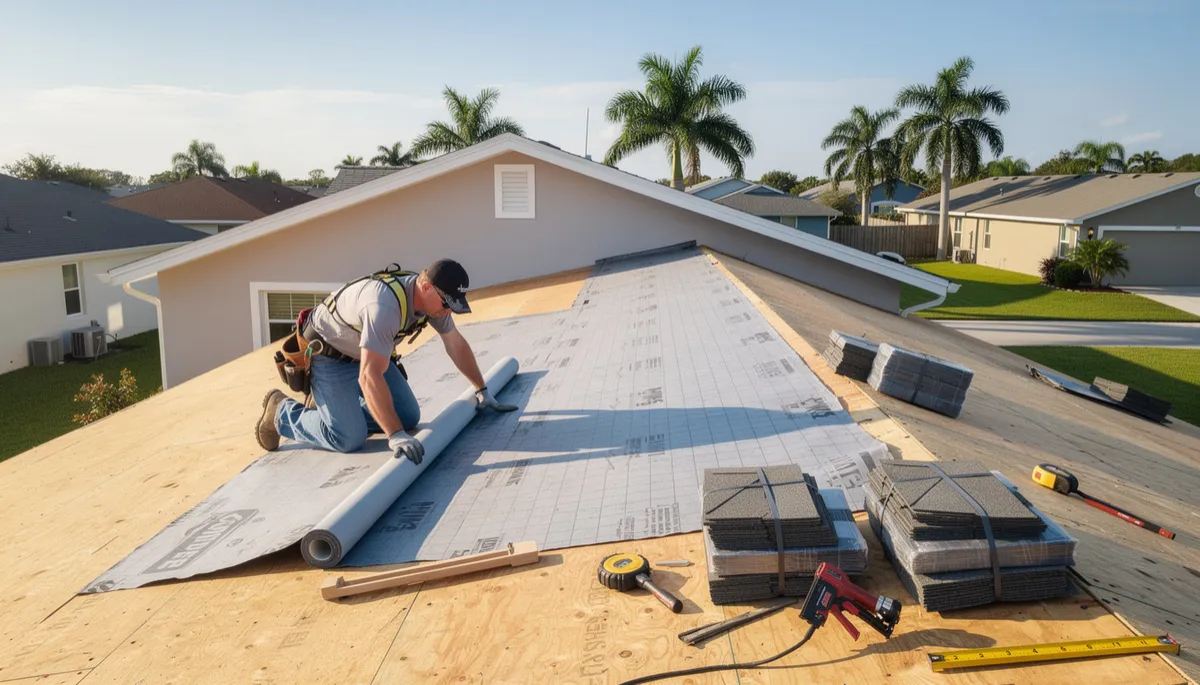
How to Install Peel and Stick Roofing: A Homeowner's Guide
Peel and stick roofing products have become a popular choice for Florida homeowners who want a durable, water-resistant roofing solution. Understanding how these products are installed can help you decide if they’re right for your roof and what to expect from a professional installation. Here’s a step-by-step breakdown of the process and answers to common homeowner questions.
What is peel and stick roofing, and how does it work?
Peel and stick roofing, sometimes called self-adhered roofing, is a type of underlayment or membrane that comes with a built-in adhesive layer. Unlike traditional roofing felts that require nails or hot tar, peel and stick materials are rolled out and pressed directly onto the roof deck. They bond tightly as the adhesive is activated, creating a watertight seal. These products are especially useful in areas like Lakeland, FL, where heavy rain and high humidity can challenge a roof’s integrity.
What preparation is needed before installing peel and stick roofing?
Proper prep work is crucial for a successful installation. First, the old roofing material is removed down to the decking. The roof deck must be inspected for damage—any rotten or warped sections should be replaced. The surface should be clean, dry, and free of dust or debris, as any imperfections can affect how well the product sticks.
In some cases, especially on older homes, it may be necessary to install new plywood decking or replace damaged flashing. Taking care of these issues beforehand ensures the peel and stick membrane adheres properly and creates a reliable barrier.
How is peel and stick roofing installed?
The actual installation process involves several steps:
- Measuring and cutting: The membrane is measured and cut to fit each section of the roof, with care taken to allow for overlaps at the seams and edges.
- Peeling and positioning: Starting at the bottom edge (eave) of the roof, the backing is peeled away as the material is rolled out, pressing it firmly into place.
- Overlapping seams: Each row overlaps the previous one according to the manufacturer’s recommendations, typically by several inches, to prevent water intrusion.
- Smoothing out bubbles: As the material is laid down, it’s smoothed out with a roller or by hand to ensure full contact with the decking and to remove air pockets.
- Detail work: Around roof penetrations like vents and chimneys, the membrane is carefully trimmed and pressed in to ensure a tight seal.
Once the peel and stick layer is down, the final roofing material—shingles, metal, or tile—can be installed over it.
What are the benefits of peel and stick roofing for Florida homes?
There are several reasons why peel and stick roofing is so popular in central Florida:
- Waterproofing: The membrane creates a continuous, watertight barrier that helps protect against leaks from wind-driven rain and heavy storms.
- Wind resistance: Properly installed, it helps keep the roof system intact during high winds by reducing the risk of water infiltration beneath the outer roofing material.
- Ease of installation: Peel and stick roofing can go on faster than traditional underlayments, reducing the risk of rain damage during the roof replacement process.
- Self-sealing: The adhesive properties help seal around nails and fasteners, offering extra protection.
These advantages make it a smart choice for Lakeland’s climate, where storms and humidity are regular challenges.
Are there any drawbacks to using peel and stick roofing?
While peel and stick products offer a lot of advantages, there are a few things to keep in mind:
- Surface prep is critical: Any dust, debris, or moisture on the roof deck can prevent the membrane from sticking properly.
- Temperature sensitivity: Installation should be done within a certain temperature range—too cold and the adhesive doesn’t bond well, too hot and it can become overly sticky.
- Not a finished roof: Peel and stick is an underlayment, so shingles, metal, or tile must still be installed on top for complete protection.
Choosing an experienced roofing contractor ensures these factors are managed for a reliable installation.
How long does peel and stick roofing last?
The lifespan of peel and stick underlayment depends on the product and how well it’s installed. When covered by a proper roofing material, it generally lasts as long as the outer roofing system itself. In Florida, it’s common to see these membranes remain effective for the entire life of a shingle or metal roof, provided the roof is maintained and inspected regularly.
Frequently Asked Questions
Can I install peel and stick roofing myself?
While it’s possible for a handy homeowner to install peel and stick underlayment on a simple roof, most recommend hiring a professional. Proper installation requires careful prep, correct overlapping, and attention to detail around penetrations. Mistakes can lead to leaks or reduce the effectiveness of the membrane.
Does peel and stick work with all roofing materials?
Yes, peel and stick products are designed to be compatible with shingle, metal, and tile roofing systems. They are commonly used as an underlayment beneath these materials to add waterproofing and wind resistance.
Can peel and stick be used on flat roofs?
Some peel and stick membranes are rated for low-slope or flat roofs, but it’s important to choose a product specifically designed for that application. TPO or modified bitumen membranes might be better options for completely flat surfaces.
How do I know if my roof needs peel and stick underlayment?
If you live in an area like Lakeland with frequent storms or high humidity, or if your roof has a low slope, peel and stick underlayment can be a wise investment. A roofing professional can assess your roof’s structure and recommend what’s best for long-term protection.
If you’re considering a roof replacement or need more information about peel and stick roofing in the Lakeland, FL area, reach out to Roofing King. We’re happy to answer any questions and help you choose the best solution for your home.

Google Reviews


What Sets Us Apart
At Roofing King, we are proud to be the trusted choice for residential and commercial roofing. Our commitment to integrity and quality shines through in every project, ensuring our clients receive the royal treatment they deserve.
Roofing King puts customers at the heart of everything we do. We know that your satisfaction is the key to our success. That's why we go the extra mile to ensure you are thrilled with our services, from start to finish.
Our expert and certified installers at Roofing King bring years of experience and skill to every project. With their dedication to excellence, you can trust that your roof will be installed with precision and care.
At Roofing King, we only work with the finest roofing materials on the market. Combining our expertise with top-tier products ensures your roof not only looks stunning but is built to last for years to come.
🔒 We value your privacy. Your data is encrypted and we will never share it with third parties.
GET STARTED NOW (863) 670-8517

GET A QUOTE
OPENING HOURS
Monday to Sunday: 6:00 am to 6:00 pm
© Copyright 2026 Roofing King. All Rights Reserved. - Privacy Policy - Terms & Conditions - DMCA
Website built by ClientSwing