

Roofing King
Expert Roofing Tips & Insights to Protect Your Home
RECENT ARTICLES
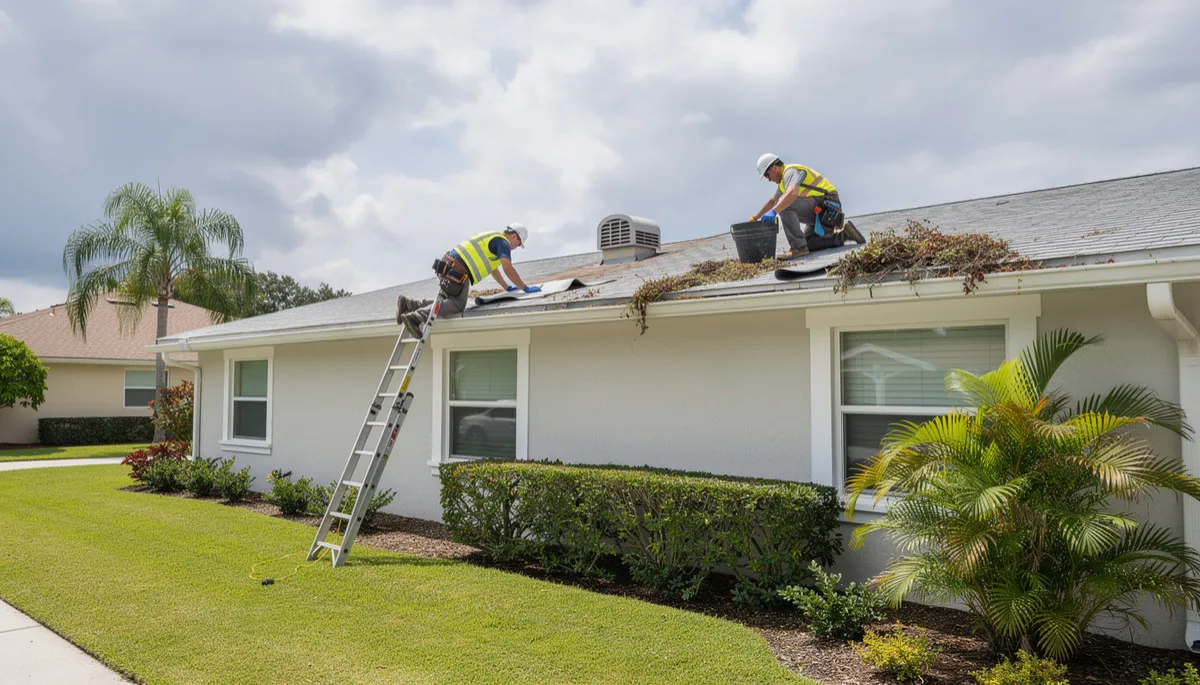
How to Prepare Your Roof for Heavy Rain: Practical Tips for Homeowners
Florida’s heavy summer rainstorms can hit hard, and your roof is the first line of defense against leaks and water damage. Taking a few simple steps before the clouds roll in can help you avoid costly repairs and keep your home safe and dry. Here’s what every homeowner in Lakeland should know about getting their roof ready for the rainy season.
How can I tell if my roof is ready for heavy rain?
Start by giving your roof a careful visual inspection from the ground. Look for missing or curled shingles, loose tiles, rusted flashing, or any obvious gaps. Check for dark patches, which could mean moisture is already seeping in. If you feel comfortable and it’s safe, take a closer look from a ladder—never walk on your roof, especially if it’s steep or slippery.
Inside your attic, inspect for any signs of leaks or water stains, especially after a recent rain. If you see sunlight coming through the roof boards or feel a musty smell, that’s a warning sign your roof needs attention before the next downpour.
What maintenance should I do before the rainy season?
Clearing your gutters and downspouts is one of the most important—and easiest—steps. Clogged gutters cause water to back up under shingles or tiles, leading to rot and leaks. Remove leaves, twigs, and any debris. Make sure water flows freely through all downspouts and that they direct water away from your home’s foundation.
Trim tree branches that hang over your roof. In a heavy rainstorm, branches can break and damage your roof, or drop extra debris that clogs gutters. Also, check that all vents, pipes, and flashing are securely sealed with no gaps where water could sneak in.
Should I worry about the type of roofing I have?
Each roofing type in Lakeland—shingle, metal, tile, or flat (TPO or peel and stick)—has its own strengths and weaknesses in heavy rain. Shingles can loosen or lose granules over time, tile roofs may develop cracks, and metal roofs need secure fasteners and proper sealant. Flat roofs require extra attention to drainage and ponding water, which can quickly lead to leaks. No matter what kind of roof you have, regular inspections and quick repairs are key to staying ahead of water problems.
How do I spot early signs of roof leaks?
Keep an eye out for water stains on interior ceilings or walls, peeling paint, or bubbling drywall. These usually signal a roof leak that’s made its way inside. In your attic, look for damp insulation or mold. Early leaks aren’t always dramatic—sometimes it’s just a damp spot that appears after rain. Address these issues quickly to prevent mold and structural damage.
Can I prepare my roof for rain myself or should I call a professional?
Many basic steps, like cleaning gutters and trimming branches, can be done yourself if you’re comfortable and have the right tools. But if you spot missing shingles, cracked tiles, rusted flashing, or signs of leaks inside, it’s safest to call a local roofing professional. Working on a roof can be dangerous, especially in Lakeland’s humid and rainy climate. Pros have the experience to spot problems you might miss and can handle repairs safely and thoroughly.
What should I do after a heavy rainstorm?
Once the skies clear, walk around your home and look for any new damage—missing shingles, branches on the roof, or overflowing gutters. Check inside for water stains or wet spots. If you see anything unusual, document it with photos and call a roofing expert for an assessment. If you need to file an insurance claim, having clear records and a professional inspection will help the process go smoother.
Frequently Asked Questions
How often should I have my roof inspected in Lakeland?
It’s a good idea to get a professional roof inspection at least once a year, especially before and after Florida’s rainy season. If your roof is older or you’ve had recent storms, an extra check can help catch small problems before they become big headaches.
What are the most common causes of roof leaks during heavy rain?
Most leaks start around areas where the roofing material is interrupted—such as chimneys, skylights, vents, or flashing. Clogged gutters, cracked shingles or tiles, and deteriorated sealant are also frequent culprits, particularly on older roofs.
Will my homeowner’s insurance cover rain damage to my roof?
Coverage depends on your policy and the cause of the damage. Sudden events, like wind-driven rain or storm damage, are often covered. Maintenance issues, like old age or neglect, usually are not. If you’re not sure, your roofing contractor can help you document the damage and work with your insurance adjuster.
Is there a best time of year to replace or repair my roof in Lakeland?
Roof repairs and replacements can be done year-round in Florida, but scheduling before the summer rainy season is ideal. This gives you peace of mind knowing your roof is ready for whatever the weather brings.
Preparing your roof for heavy rain doesn’t have to be complicated, but it does take a little attention and care. If you notice any issues or just want the peace of mind of a professional inspection, Roofing King is here to help homeowners in Lakeland stay dry and protected all year long. Give us a call to schedule your roof check or talk through any concerns you have about your roof.

Google Reviews


What Sets Us Apart
At Roofing King, we are proud to be the trusted choice for residential and commercial roofing. Our commitment to integrity and quality shines through in every project, ensuring our clients receive the royal treatment they deserve.
Roofing King puts customers at the heart of everything we do. We know that your satisfaction is the key to our success. That's why we go the extra mile to ensure you are thrilled with our services, from start to finish.
Our expert and certified installers at Roofing King bring years of experience and skill to every project. With their dedication to excellence, you can trust that your roof will be installed with precision and care.
At Roofing King, we only work with the finest roofing materials on the market. Combining our expertise with top-tier products ensures your roof not only looks stunning but is built to last for years to come.
🔒 We value your privacy. Your data is encrypted and we will never share it with third parties.
GET STARTED NOW (863) 670-8517

GET A QUOTE
OPENING HOURS
Monday to Sunday: 6:00 am to 6:00 pm
© Copyright 2026 Roofing King. All Rights Reserved. - Privacy Policy - Terms & Conditions - DMCA
Website built by ClientSwing